

Insight
Agentic Commerce: how AI is transforming the future of autonomous commerce
Digital commerce is undergoing an unprecedented transformation.

News and trends in technology and innovation.
262 posts
Digital commerce is undergoing an unprecedented transformation.

AI has become an operational layer that cuts across every process within an organization, with companies deploying autonomous agents capable of making decisions, accessing corporate systems, and executing complex tasks using their own credentials and identities.
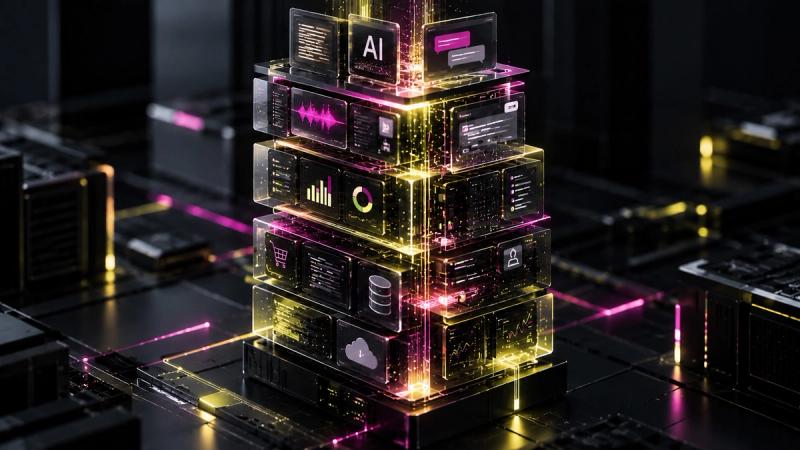
For years, the strategy for incorporating artificial intelligence into businesses consisted of building a specialized model for each use case: classifying emails, detecting fraud, or recommending products.

Artificial intelligence is not only changing the tools we use to design digital products. It is beginning to shift something more fundamental: the boundaries that for years separated design, product, and engineering.

In today’s business ecosystem, the question is no longer whether a company should be in the cloud, but what it is doing there and how it is leveraging its benefits beyond simply hosting applications and infrastructure in the cloud.

Sustainability is playing an increasingly important role in companies’ strategic agendas.

In the early stages of a company’s growth, providing a certain degree of technical freedom is often seen as a way to increase agility. Each software team chooses its own tools, configures its own pipelines, and defines custom processes to move faster.
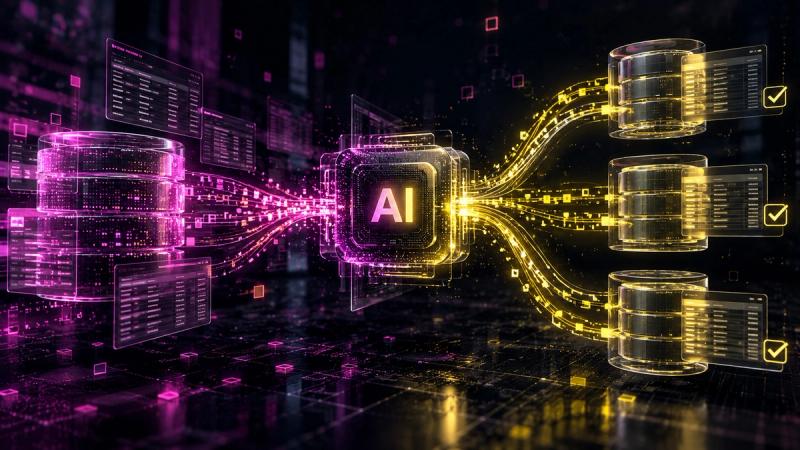
Test Data Management (TDM) is a strategic process focused on managing and provisioning data, ensuring environments that accurately simulate production environments. This makes it possible to achieve more precise results that are aligned with business operations.
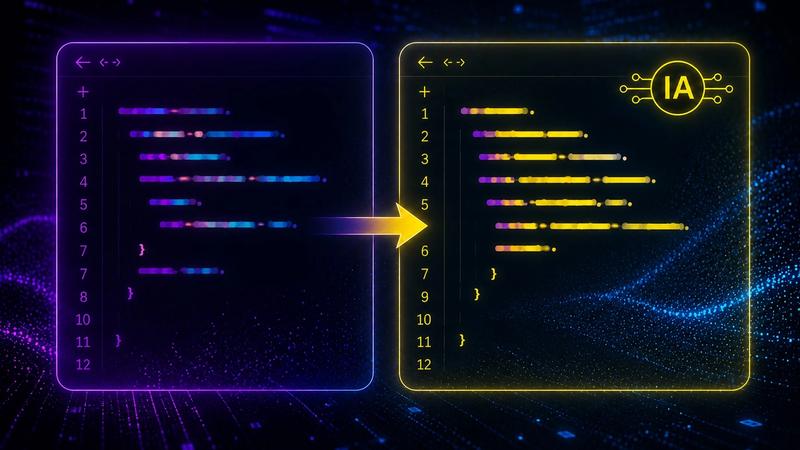
Pair programming, a traditional software development practice, is based on a simple idea: two people work on the same code to detect errors, share knowledge, and find better solutions.

The Microsoft Azure-audited accreditation certifies our technical capabilities to execute complex migrations of critical architectures, accelerate the adoption of DevOps practices, and transform legacy systems into cloud-native environments.
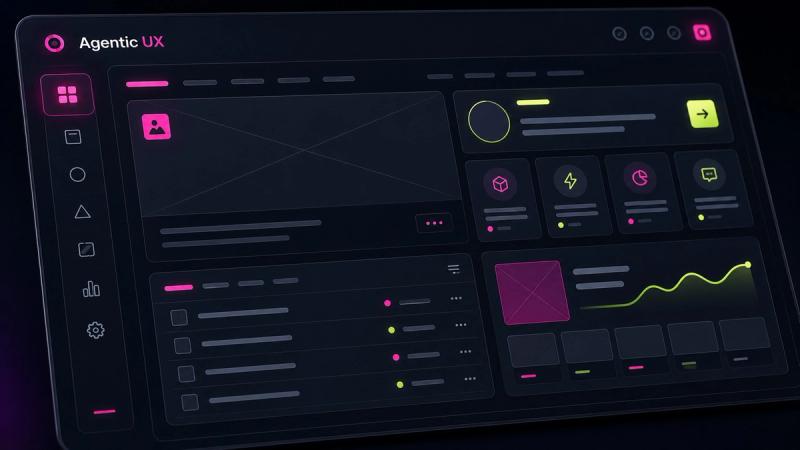
Generative artificial intelligence has evolved from a simple tool into a new interaction paradigm. Discover how digital product design is evolving toward living systems, adaptive interfaces, and a new strategic role for the Product Designer.
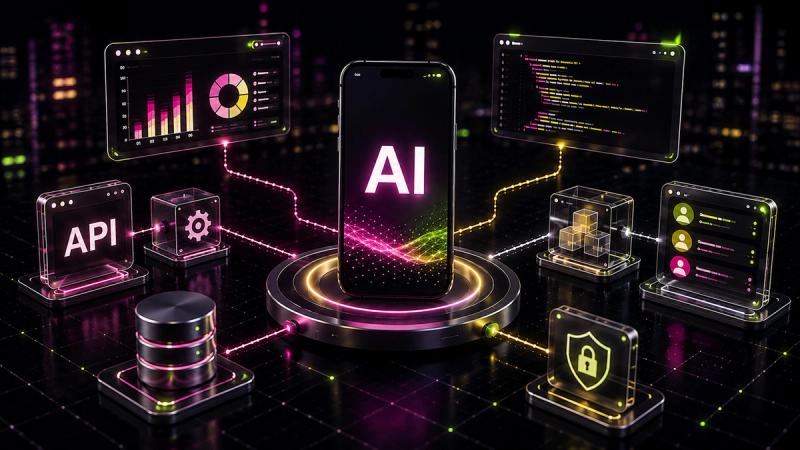
In recent times, organizations have been exploring how they can incorporate Artificial Intelligence (AI) agents to automate processes and decision-making within their operations.